
𝐁𝐲:
𝐁𝐄𝐍𝐀𝐇𝐍𝐈𝐀

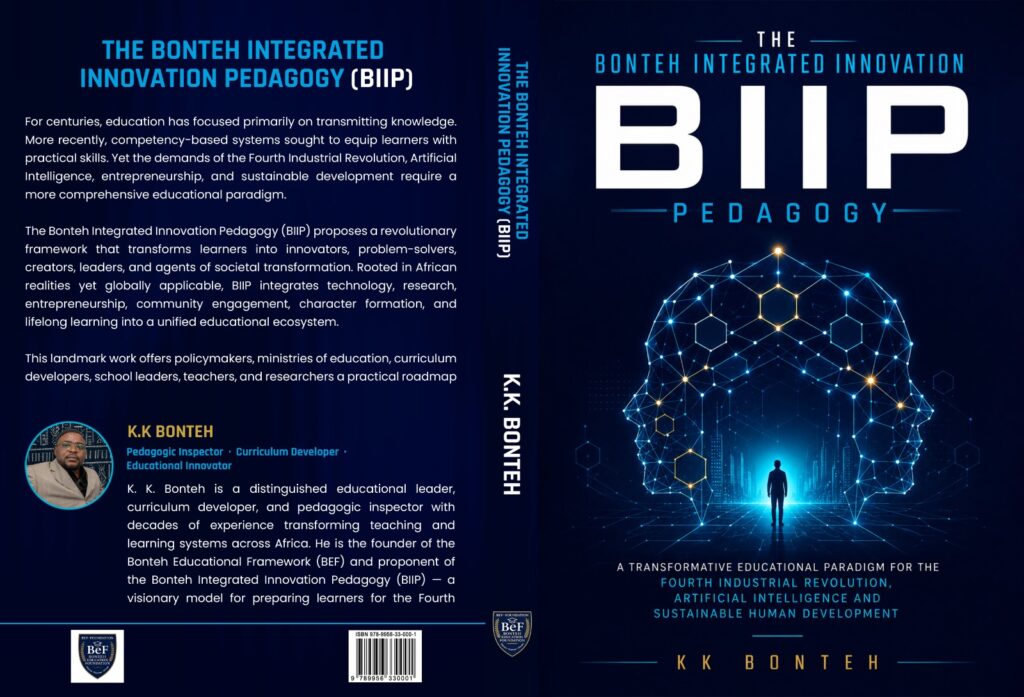
𝐂𝐨𝐦𝐦𝐞𝐧𝐭𝐬 𝐚𝐧𝐝 𝐑𝐞𝐜𝐨𝐦𝐦𝐞𝐧𝐝𝐚𝐭𝐢𝐨𝐧𝐬 𝐨𝐧 𝐭𝐡𝐞 𝐁𝐨𝐧𝐭𝐞𝐡 𝐈𝐧𝐭𝐞𝐠𝐫𝐚𝐭𝐞𝐝 𝐈𝐧𝐧𝐨𝐯𝐚𝐭𝐢𝐨𝐧 𝐏𝐞𝐝𝐚𝐠𝐨𝐠𝐲 (𝐁𝐈𝐈𝐏)
𝐁𝐲:
𝐁𝐄𝐍𝐀𝐇𝐍𝐈𝐀
As a Professor of English as a Foreign Language (ESL & EFL) in West Virginia University in USA, educator, and researcher specializing in language acquisition, learning methodologies, curriculum development, and educational reform, I have had the privilege of teaching and training students, teachers, and professionals in both Morocco and various international contexts. My experience across diverse educational systems has provided me with valuable insights into the challenges and opportunities facing contemporary education. Having closely observed the impact of globalization, technological advancement, and changing labor market demands on learning, I am particularly interested in innovative pedagogical models that prepare learners for the realities of the twenty-first century. It is from this perspective that I offer the following comments and recommendations regarding the extremely valuable Bonteh Integrated Innovation Pedagogy (BIIP).
The introduction of the Bonteh Integrated Innovation Pedagogy (BIIP) represents a timely and forward-looking response to the rapidly changing educational environment of the twenty-first century. The proposal demonstrates a clear understanding of the challenges posed by globalization, Artificial Intelligence (AI), digital transformation, climate change, entrepreneurship, and the Fourth Industrial Revolution. By positioning education as a tool for innovation, adaptability, and problem-solving, BIIP aligns itself with the needs of modern learners and the future workforce not only in Cameroon, but in any other developing country.
One of the strongest aspects of BIIP is its recognition that traditional content-based teaching is no longer sufficient to prepare learners for contemporary society. The framework appears to promote interdisciplinary learning, creativity, critical thinking, and practical application of knowledge. These elements are increasingly recognized worldwide as essential competencies for lifelong learning and employability, which might make a difference in Africa mainly.
To further strengthen the model, BIIP could place greater emphasis on the integration of English language learning across all disciplines. English has become the primary language of international communication, scientific research, technology, business, diplomacy, and digital innovation, while emphasizing the importance of the local or national mother tongue language. In today’s interconnected world, proficiency in English is no longer limited to language classrooms; rather, it is a fundamental tool that enables learners to access global knowledge, participate in international networks, and engage with emerging technologies.
The integration of English within BIIP could move beyond conventional language teaching by adopting a Content and Language Integrated Learning (CLIL) approach. Through this model, students would learn subject content while simultaneously developing English language skills. For example, science projects, entrepreneurial activities, environmental studies, coding tasks, and innovation challenges could include English-language resources, presentations, reports, and collaborative discussions. Such an approach would enhance both subject mastery and communication competence.
Furthermore, BIIP could leverage AI-powered language tools and digital platforms to support multilingual learning environments. Students could engage in international virtual exchanges, collaborative projects with learners from other countries, and participation in global competitions conducted in English. These experiences would strengthen intercultural competence while preparing students for participation in the global economy.
Innovative ideas that could be incorporated into BIIP include:
• Establishing Innovation and English Communication Labs where students develop projects and present solutions in English.
• Introducing AI-assisted learning portfolios that document students’ academic, linguistic, and entrepreneurial growth.
• Embedding sustainability and climate action projects that require research using international English-language sources.
• Creating international school partnerships that allow students to collaborate virtually on real-world challenges.
• Integrating entrepreneurship modules where students design business proposals, marketing plans, and product pitches in English.
• Developing digital citizenship and media literacy programs that teach students how to evaluate information critically and communicate responsibly online.
• Encouraging project-based learning that combines STEM, arts, innovation, and English communication into a unified learning experience.
Another important dimension that could be strengthened is assessment. Traditional examinations often fail to measure creativity, collaboration, communication, and innovation. BIIP may benefit from adopting competency-based assessment methods, including project presentations, digital portfolios, peer evaluation, problem-solving challenges, and community engagement activities. Such assessment practices would better reflect the skills required in modern societies and workplaces.
The pedagogy could also emphasize leadership development and global citizenship. Future graduates should not only possess technical and academic competencies but also demonstrate ethical responsibility, intercultural awareness, environmental consciousness, and effective communication skills. English serves as a key enabler in this process by connecting learners to international perspectives and opportunities.
Conclusion
The Bonteh Integrated Innovation Pedagogy (BIIP) has the potential to become a transformative educational model that responds effectively to the demands of the modern world. Its focus on innovation, technology, entrepreneurship, and real-world learning provides a strong foundation for educational reform. By strengthening the integration of English across the curriculum, promoting international collaboration, incorporating AI-supported learning, and adopting competency-based assessment, BIIP can further position itself as a comprehensive framework for preparing learners to succeed in an increasingly global, digital, and knowledge-driven society.
I can personally assist in developing further ideas to incorporate essential themes such as ethics, intercultural competence, and diversity to make this project more comprehensive and beneficial everywhere and at any time.
𝐏𝐫𝐨𝐟𝐞𝐬𝐬𝐨𝐫 𝐀𝐛𝐝𝐮𝐥 𝐁𝐄𝐍𝐀𝐇𝐍𝐈𝐀
𝐂𝐚𝐬𝐚𝐛𝐥𝐚𝐧𝐜𝐚, 𝐌𝐨𝐫𝐨𝐜𝐜𝐨