
𝗘𝗫𝗖𝗟𝗨𝗦𝗜𝗩𝗘 𝗠𝗘𝗗𝗜𝗔 𝗜𝗡𝗧𝗘𝗥𝗩𝗜𝗘W
“𝗕𝘂𝗶𝗹𝗱𝗶𝗻𝗴 𝗔 𝗧𝗿𝘂𝗹𝘆 𝗕𝗶𝗹𝗶𝗻𝗴𝘂𝗮𝗹 𝗖𝗮𝗺𝗲𝗿𝗼𝗼𝗻: 𝗪𝗵𝘆 𝗟𝗮𝗻𝗴𝘂𝗮𝗴𝗲, 𝗧𝗲𝗰𝗵𝗻𝗼𝗹𝗼𝗴𝘆 𝗮𝗻𝗱 𝗡𝗮𝘁𝗶𝗼𝗻𝗮𝗹 𝗨𝗻𝗶𝘁𝘆 𝗠𝘂𝘀𝘁 𝗠𝗼𝘃𝗲 𝗙𝗼𝗿𝘄𝗮𝗿𝗱 𝗧𝗼𝗴𝗲𝘁𝗵𝗲𝗿”
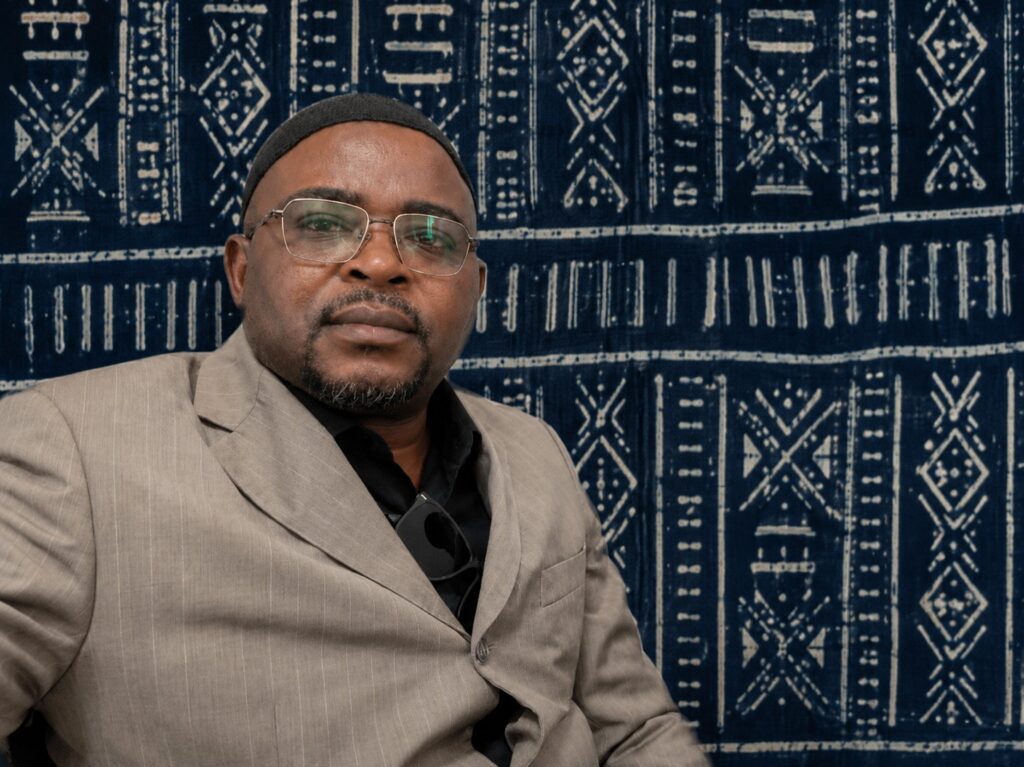
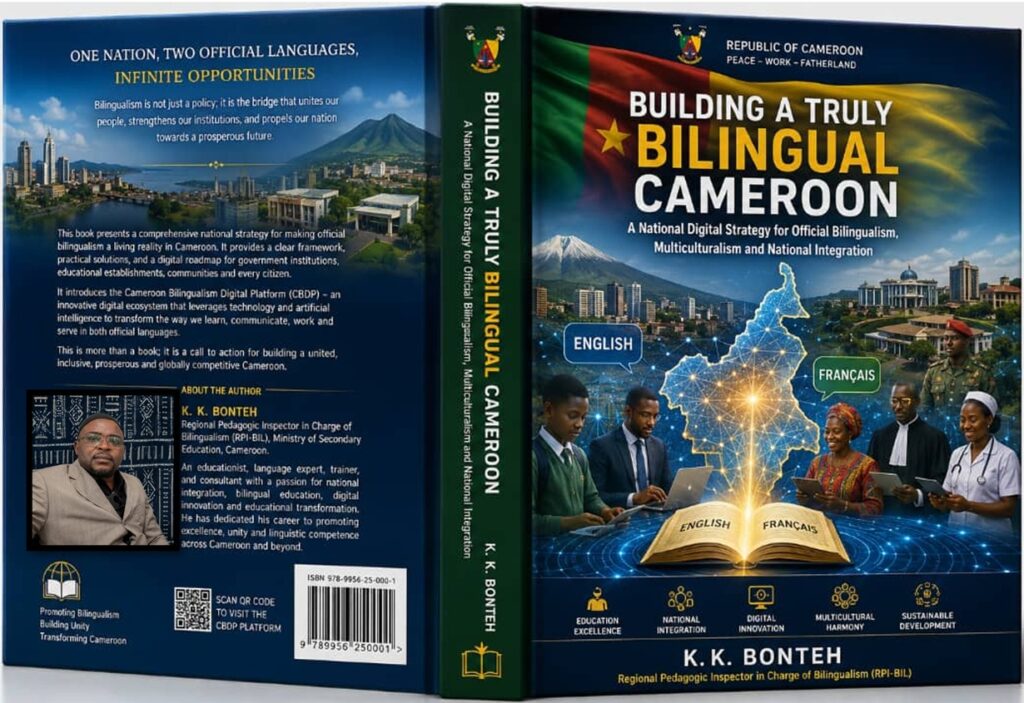
A Special Interview with K. K. Bonteh, Author of 𝗕𝘂𝗶𝗹𝗱𝗶𝗻𝗴 𝗔 𝗧𝗿𝘂𝗹𝘆 𝗕𝗶𝗹𝗶𝗻𝗴𝘂𝗮𝗹 𝗖𝗮𝗺𝗲𝗿𝗼𝗼𝗻: 𝗔 𝗡𝗮𝘁𝗶𝗼𝗻𝗮𝗹 𝗗𝗶𝗴𝗶𝘁𝗮𝗹 𝗦𝘁𝗿𝗮𝘁𝗲𝗴𝘆 𝗳𝗼𝗿 𝗢𝗳𝗳𝗶𝗰𝗶𝗮𝗹 𝗕𝗶𝗹𝗶𝗻𝗴𝘂𝗮𝗹𝗶𝘀𝗺, 𝗠𝘂𝗹𝘁𝗶𝗰𝘂𝗹𝘁𝘂𝗿𝗮𝗹𝗶𝘀𝗺 𝗮𝗻𝗱 𝗡𝗮𝘁𝗶𝗼𝗻𝗮𝗹 𝗜𝗻𝘁𝗲𝗴𝗿𝗮𝘁𝗶𝗼𝗻
𝗜𝗡𝗧𝗘𝗥𝗩𝗜𝗘𝗪𝗘𝗥:
Mr Bonteh, thank you for granting us this interview. I have carefully read your book, and one thing immediately stands out: this is not simply another publication on bilingualism. It reads almost like a national blueprint, a policy framework, a technological roadmap, and, in many respects, a patriotic manifesto.
What inspired you to write this ambitious work?
𝗞. 𝗞. 𝗕𝗢𝗡𝗧𝗘𝗛:
Thank you very much.
The inspiration came from many years of observation, professional experience, research, and reflection on the realities of official bilingualism in Cameroon.
As an educator, pedagogic inspector, language specialist, and citizen, I have witnessed both the enormous promise and the persistent challenges of our bilingual heritage.
What struck me most was that discussions on bilingualism often remain confined to classrooms, policy speeches, or commemorative events. Yet bilingualism touches virtually every aspect of national life—education, governance, justice, public administration, employment, technology, social cohesion, and national integration.
I therefore felt the need to propose not merely a diagnosis of the problem, but a comprehensive and practical solution.
𝗜𝗡𝗧𝗘𝗥𝗩𝗜𝗘𝗪𝗘𝗥:
One of the strongest arguments in the book is that bilingualism should no longer be viewed merely as a constitutional requirement but as a strategic national asset.
That is a powerful shift in perspective.
Could you explain what you mean?
𝗞. 𝗞. 𝗕𝗢𝗡𝗧𝗘𝗛:
Certainly.
Many countries spend enormous resources trying to acquire the very linguistic advantages that Cameroon already possesses.
We are one of the few nations in Africa and indeed the world that officially belongs simultaneously to both the Anglophone and Francophone spheres.
English dominates global commerce, science, technology, aviation, and digital communication.
French remains a major language of diplomacy, international cooperation, governance, and development.
Therefore, official bilingualism should not be seen as a burden.
It should be viewed as a competitive advantage.
A truly bilingual Cameroon would possess a workforce capable of operating effectively across multiple international markets and institutions.
That represents an extraordinary national asset.
𝗜𝗡𝗧𝗘𝗥𝗩𝗜𝗘𝗪𝗘𝗥:
Your analysis of Cameroon’s historical journey—from pre-colonial diversity through German colonisation, partition, reunification, and modern nation-building—is particularly insightful.
Many readers may ask: Why does history matter so much in discussions about bilingualism?
𝗞. 𝗞. 𝗕𝗢𝗡𝗧𝗘𝗛:
Because bilingualism in Cameroon cannot be understood outside history.
Our linguistic reality is the product of historical processes.
The partition of Kamerun after the First World War created two administrative traditions, two educational systems, two legal cultures, and two official languages.
Reunification in 1961 was therefore not merely territorial.
It was a profound nation-building experiment.
The success of that experiment depends largely on our ability to transform linguistic diversity into national strength.
History explains where we came from.
Policy determines where we are going.
𝗜𝗡𝗧𝗘𝗥𝗩𝗜𝗘𝗪𝗘𝗥:
I was particularly fascinated by your proposal for the Cameroon Bilingualism Digital Platform (CBDP).
This appears to be one of the book’s most innovative contributions.
Can you explain the concept?
𝗞. 𝗞. 𝗕𝗢𝗡𝗧𝗘𝗛:
The CBDP is, in many ways, the heart of the book.
For decades, bilingualism promotion has depended almost exclusively on traditional methods.
While these remain important, the digital age offers opportunities that previous generations never had.
The Cameroon Bilingualism Digital Platform would serve as a national digital ecosystem supporting:
- Language learning;
- Translation services;
- Assessment and certification;
- Teacher development;
- Institutional monitoring;
- Research and innovation;
- Citizen engagement;
- Public service delivery.
It would connect schools, ministries, universities, local councils, researchers, teachers, students, and citizens within a single national framework.
In essence, it would become the technological backbone of official bilingualism in Cameroon.
𝗜𝗡𝗧𝗘𝗥𝗩𝗜𝗘𝗪𝗘𝗥:
You devote an entire section of the book to Artificial Intelligence.
Many people still view AI as something distant or futuristic.
Yet you argue that AI could become one of the most important tools for bilingualism promotion.
How so?
𝗞. 𝗞. 𝗕𝗢𝗡𝗧𝗘𝗛:
Artificial Intelligence is already transforming language learning globally.
Today, AI systems can:
- Provide personalised tutoring;
- Evaluate pronunciation;
- Translate documents instantly;
- Generate learning materials;
- Support administrative communication;
- Monitor learning progress.
Imagine a learner in Nkambe, Tignère, Mora, Yokadouma, Kumbo, Mamfe, Bertoua, Kribi, or Kousseri receiving the same high-quality bilingual support available in Yaoundé or Douala.
AI makes that possible.
The future of bilingualism will increasingly be digital.
Countries that fail to embrace these technologies risk being left behind.
𝗜𝗡𝗧𝗘𝗥𝗩𝗜𝗘𝗪𝗘𝗥:
Reading the book, I was reminded of major national transformation projects undertaken in countries such as Canada, Singapore, Switzerland, and even Rwanda.
Would it be fair to say that your work places Cameroon within a broader international conversation?
𝗞. 𝗞. 𝗕𝗢𝗡𝗧𝗘𝗛:
Absolutely.
One of the objectives of the book is to demonstrate that Cameroon is not alone in confronting questions of language, identity, and national cohesion.
Countries across the world have successfully leveraged multilingualism as a development asset.
Canada transformed official bilingualism into a cornerstone of national identity.
Switzerland demonstrates how linguistic diversity can coexist with political stability and prosperity.
Singapore used language policy strategically to enhance economic competitiveness.
Rwanda illustrates how deliberate language planning can accelerate national transformation.
Cameroon can learn from these experiences while developing solutions adapted to its own context.
𝗜𝗡𝗧𝗘𝗥𝗩𝗜𝗘𝗪𝗘𝗥:
Another striking aspect of the book is that it refuses to separate bilingualism from national integration.
In fact, one gets the impression that your deeper concern is nation-building itself.
𝗞. 𝗞. 𝗕𝗢𝗡𝗧𝗘𝗛:
You are absolutely correct.
Language is ultimately about people.
It is about relationships.
It is about participation.
It is about belonging.
A citizen who cannot access services, education, information, or opportunities because of language barriers may feel excluded.
A nation cannot achieve lasting unity under such conditions.
Therefore, promoting bilingualism is not merely a linguistic project.
It is a peace-building project.
It is a social cohesion project.
It is a democratic project.
It is a nation-building project.
𝗜𝗡𝗧𝗘𝗥𝗩𝗜𝗘𝗪𝗘𝗥:
You propose a vision extending to 2040.
That suggests this book is intended not merely for today but for future generations.
What is your vision of a truly bilingual Cameroon by 2040?
𝗞. 𝗞. 𝗕𝗢𝗡𝗧𝗘𝗛:
My vision is simple but transformative.
A Cameroon where:
- Every learner graduates with functional competence in both official languages;
- Every public institution provides services effectively in English and French;
- Digital technologies democratise access to bilingual education;
- Language ceases to be a barrier to opportunity;
- Diversity becomes a source of strength rather than division;
- Citizens participate fully in national life regardless of linguistic background.
In short, a Cameroon where bilingualism is not merely written in the Constitution but lived daily by its people.
𝗜𝗡𝗧𝗘𝗥𝗩𝗜𝗘𝗪𝗘𝗥:
Before we conclude, what message would you like policymakers, educators, development partners, traditional authorities, and ordinary citizens to take away from this book?
𝗞. 𝗞. 𝗕𝗢𝗡𝗧𝗘𝗛:
My message is that the responsibility for building a truly bilingual Cameroon belongs to all of us.
Government alone cannot achieve it.
Schools alone cannot achieve it.
Teachers alone cannot achieve it.
Citizens alone cannot achieve it.
It requires a national coalition of commitment.
The book therefore invites every stakeholder to become an active participant in this transformation.
If we combine political will, educational reform, technological innovation, institutional accountability, and citizen engagement, the vision of a truly bilingual Cameroon is entirely achievable.
The future is not something we wait for.
It is something we build.
And bilingualism must be one of the foundations upon which we build it.
𝗙𝗜𝗡𝗔𝗟 𝗪𝗢𝗥𝗗
𝗜𝗡𝗧𝗘𝗥𝗩𝗜𝗘𝗪𝗘𝗥:
Having read this remarkable work from cover to cover, I am persuaded that 𝗕𝘂𝗶𝗹𝗱𝗶𝗻𝗴 𝗔 𝗧𝗿𝘂𝗹𝘆 𝗕𝗶𝗹𝗶𝗻𝗴𝘂𝗮𝗹 𝗖𝗮𝗺𝗲𝗿𝗼𝗼𝗻 is far more than a book. It is a national conversation starter, a strategic policy proposal, and a visionary framework for the future of Cameroon. It challenges us to rethink bilingualism not as a ceremonial aspiration but as a practical pathway towards unity, inclusion, competitiveness, and national transformation.
For educators, policymakers, researchers, development partners, students, public servants, and every citizen concerned about the future of Cameroon, this book deserves serious attention.
𝗞. 𝗞. 𝗕𝗢𝗡𝗧𝗘𝗛:
Thank you. I sincerely hope the book contributes meaningfully to the ongoing national dialogue and inspires collective action towards building the truly bilingual, multicultural, inclusive, innovative, and united Cameroon to which we all aspire.
𝗔𝗕𝗢𝗨𝗧 𝗧𝗛𝗘 𝗔𝗨𝗧𝗛𝗢𝗥
K. K. Bonteh is an educator, pedagogic inspector, language specialist, researcher, author, and educational innovator whose work focuses on bilingualism, educational transformation, national integration, digital innovation, and public policy. Through this publication, he advances a practical and forward-looking vision for strengthening official bilingualism and multiculturalism as pillars of national development in Cameroon.